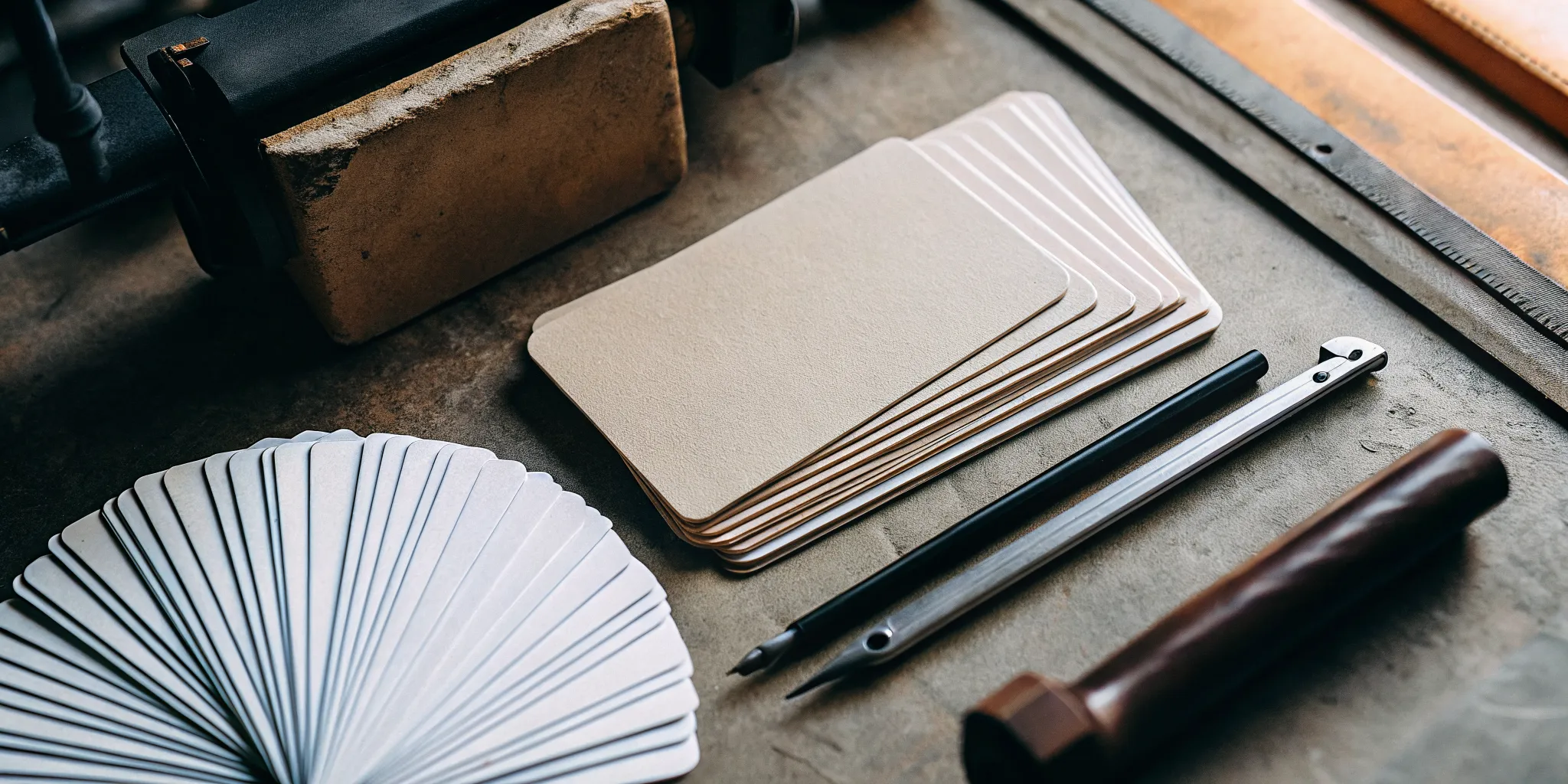
Would you wear a tailored suit that doesn’t quite fit? Of course not. So why settle for generic printed materials? Off-the-rack templates can make your business blend in, failing to capture the unique personality you’ve worked so hard to build. This is where custom printing comes in. It puts you in the driver’s seat, giving you complete control over every detail—from the paper’s texture to the exact shade of your logo. It’s how you create a cohesive, professional look that feels truly authentic and makes a memorable impression on everyone you meet.
Key Takeaways
- Custom printing is a strategic brand tool: Use personalized materials like business cards, brochures, and banners to create a consistent and professional brand experience that builds customer trust and recognition.
- Prevent problems before they start: Your final print quality comes down to two things: a reliable printing partner and a print-ready design file. Vet your printer by asking for samples and always double-check your files for common errors.
- Make smart choices to manage your budget and deadlines: Get the best value by understanding how quantity and materials affect your final cost, and plan your timeline in advance to avoid rush fees and give yourself time to review proofs.
What is Custom Printing? (And Why Your Brand Needs It)
When you’re building a business, every detail matters—from your website’s font to the feel of the business card you hand someone. Custom printing is what bridges the gap between your digital brand and the tangible, real-world experience customers have with you. It’s about creating materials that aren’t just functional, but are a true reflection of your brand’s quality and personality.
Instead of settling for generic, one-size-fits-all templates, custom printing gives you the control to produce something unique. This level of personalization ensures that every flyer, banner, and brochure works hard to represent your business exactly the way you want. It’s a strategic way to make a lasting impression and build a cohesive brand identity that people remember.
So, What Does ‘Custom Printing’ Actually Mean?
Think of custom printing as your brand’s personal tailor. Instead of picking something off the rack, you get to create print materials that are made just for you. This means you call the shots on nearly every detail—from the exact size and paper type to special finishes and coatings. It’s all about creating something that fits your brand perfectly.
Whether you need unique business cards that stand out or flyers cut to a specific shape, custom printing services make it happen. You’re not limited by standard options. You have the freedom to mix and match features to produce a final product that is truly your own and aligns perfectly with your vision.
How Custom Printing Builds a Stronger Brand
Custom printing is where your brand’s personality really comes to life. It’s how you create a consistent, professional look across everything you do, from the texture of your stationery to the vibrant colors on your marketing materials. When every piece is tailored to your brand, it sends a powerful message: you’re detail-oriented and you care about quality.
This consistency does more than just look good; it builds trust and helps customers recognize you instantly. A unique and high-quality print piece can capture attention and make your brand more memorable in a crowded market. It’s an investment in how people perceive your business, ensuring every first impression is a great one.
The Enduring Impact of Print Marketing
Even with everything going digital, print marketing holds a special kind of power. Think about it—we’re constantly scrolling through feeds and deleting emails, but a physical piece of mail or a well-designed brochure makes you pause. It’s something you can touch and feel, which creates a more personal and memorable connection. This tangible quality helps your brand cut through the digital noise and feel more permanent and real to your customers. When someone can hold your brand in their hands, it builds a different level of engagement that a fleeting digital ad just can’t match.
This physical presence also builds a sense of trust and credibility. Handing someone a professionally printed piece shows that you’ve invested in your brand and you care about the details. High-quality materials, from the paper stock of your booklets to the crisp colors on your trade show displays, send a clear message of professionalism. It tells potential customers that you’re serious about what you do and that they can expect that same level of quality in your products or services. It’s a subtle but powerful way to reinforce your brand’s reliability and make a solid first impression.
Ultimately, print marketing is about creating a lasting impact. A unique business card with a distinct texture or finish can stick around on a desk for months, serving as a constant reminder of your brand. Unlike a digital ad that disappears in an instant, a printed flyer or postcard can be saved, shared, and revisited, extending its reach far beyond the initial interaction. This staying power is what makes print such a valuable part of any marketing strategy. It’s not just about sharing information; it’s about creating a tangible piece of your brand that people can hold onto.
What Kinds of Things Can You Custom Print?
When you hear “custom printing,” your mind might jump straight to business cards. And while those are a cornerstone, the world of custom printing is so much bigger and more creative. Think of it as your brand’s physical toolkit. It’s how you put your identity, message, and story directly into people’s hands. From the first impression of a handshake to the lasting impact of a beautiful catalog, printed materials build connection and credibility in a way digital media can’t always replicate.
The real beauty of custom printing is its flexibility. You aren’t stuck with a one-size-fits-all template. You get to choose the paper that feels right, the size that stands out, and the finish that shines (or doesn’t!). Whether you need something small enough to fit in a wallet or large enough to hang on a wall, there’s a custom solution waiting for you. It’s all about creating tangible pieces that reflect the quality and personality of your business. Let’s look at some of the most common and effective things you can create.
Business Cards and Stationery
Let’s start with the classics. A well-designed business card is still one of the most powerful networking tools you have. It’s a physical reminder of who you are and what you do. With custom printing, you can go beyond the basic info and choose from different paper stocks, finishes, and even unique shapes to make a memorable first impression. But don’t stop there. Custom stationery, including letterheads, envelopes, and notepads, creates a cohesive and professional look across all your communications. It shows an attention to detail that tells clients you mean business. Explore different business card options to find a style that truly represents your brand.
Marketing Materials and Brochures
When you need to get the word out, custom marketing materials are your best friend. Think flyers for a local event, postcards for a direct mail campaign, or brochures that tell your company’s whole story. These pieces are perfect for grabbing attention and providing key information in a clear, digestible format. You can customize everything from the fold of a brochure to the finish on a postcard to create something that people actually want to read. Well-designed marketing materials can be incredibly effective for driving sales, announcing new products, or simply keeping your brand top-of-mind with your audience.
Banners and Signage
Ready to make a big statement? That’s where banners and signage come in. Custom printing allows you to create large-scale visuals that are impossible to ignore. Whether it’s a vinyl banner for your grand opening, a retractable banner for a trade show, or a yard sign for a local promotion, large format printing gets your message seen from a distance. You can print high-quality graphics and crisp text on durable materials designed for either indoor or outdoor use. Professional wide format printing ensures your brand looks sharp and polished, no matter the size. It’s the perfect way to command attention at events or guide customers to your door.
Booklets and Catalogs
Sometimes, a single sheet of paper just isn’t enough to tell your story. When you have a lot of information to share, booklets and catalogs are the way to go. These multi-page documents are ideal for everything from product showcases and service menus to event programs and annual reports. With custom printing, you can select the perfect size, paper type, and binding style—like saddle-stitch or perfect bound—to fit your project’s needs and budget. Creating professional booklets allows you to present detailed information in an organized, attractive package that invites readers to spend more time with your brand.
Trade Show Materials
Walking into a trade show can be overwhelming, both for you and for attendees. The key to standing out is a cohesive and professional presentation. Custom printing ties your entire booth together. Think branded tablecloths, retractable banners that flank your space, and presentation folders to hand out to promising leads. You’ll also need plenty of handouts, like sell sheets, brochures, and business cards. Having a full suite of matching trade show materials not only makes you look more credible but also helps create a memorable brand experience for everyone who stops by your booth. It’s your chance to make a big impact in a crowded room.
Stickers and Labels
Stickers and labels are some of the most versatile tools in your branding kit. Think of them as tiny, portable ambassadors for your brand. You can use them for everything from product labeling and packaging seals to promotional giveaways that people will actually use. Custom printing gives you the freedom to create unique stickers and labels that perfectly match your aesthetic. You can choose the exact size, shape, and finish to make your products look professional on the shelf or to create a sticker that’s so cool, customers will stick it on their laptops. They’re a simple, cost-effective way to increase brand visibility and add a polished touch to everything you do.
Custom Packaging Materials
The customer experience doesn’t end at checkout. Custom packaging materials are essential for creating a memorable unboxing experience that makes people feel special. This is your chance to reinforce your brand identity one last time. Things like custom-printed tissue paper, branded boxes, or even simple hang tags can make a huge difference. They show that you care about the details and are committed to quality from start to finish. This attention to detail not only protects your products but also serves as a final, positive touchpoint that can significantly improve customer satisfaction and encourage repeat business. It turns a simple delivery into a branded moment.
How to Choose a Printing Partner You Can Trust
Finding the right printing partner is about more than just getting a good price; it’s about building a relationship with a company you can trust to represent your brand. The quality of your printed materials—from simple flyers to elaborate trade show displays—speaks volumes about your business. A reliable partner will ensure every piece is something you’re proud to hand out. They’ll save you from the stress of missed deadlines, costly reprints, and materials that just don’t look right.
Think of it this way: your printer is an extension of your team. They’re the experts who bring your vision to life on paper. Taking the time to vet your options and find a company that aligns with your standards for quality and service is one of the smartest moves you can make. A little research now will pay off with a smooth process and beautiful results for years to come. So, how do you find “the one”? It comes down to checking four key areas.
See the Quality for Yourself: Always Ask for Samples
You wouldn’t buy a couch without sitting on it first, right? The same logic applies to printing. The best way to know if a printer can deliver the quality you need is to see and feel their work for yourself. Don’t hesitate to ask for a sample kit. This allows you to experience their paper stocks, feel the different weights, and see how colors look on various finishes. A website can’t show you the subtle texture of linen paper or the glossy sheen of a UV coating. A printer who is confident in their work will be more than happy to send you examples.
Requesting a Free Sample Kit
Getting a sample kit is like test-driving a car before you buy it—it’s a non-negotiable step. Pictures on a screen can’t tell you how a matte finish feels compared to a glossy one, or how substantial a 16 pt. cardstock is in your hand. A sample kit lets you physically interact with the materials, so you can make an informed choice that aligns with your brand’s quality standards. It removes the guesswork and anxiety from the process, ensuring the business cards or brochures you order are exactly what you envisioned. A reputable printer will gladly provide one, because they want you to be confident in your decision and thrilled with the final result.
Peek Behind the Curtain: Check Their Tech and Tools
You don’t need to be an expert on printing presses, but it’s good to know your partner uses modern equipment and has solid quality control. Up-to-date technology means sharper details, more accurate color matching, and greater consistency across your entire order. Many top-tier printers have a dedicated Quality Assurance team that inspects projects during the press run. This process catches potential issues early, ensuring every one of your custom booklets or brochures looks as perfect as the first. It’s a sign that they’re as invested in your project’s success as you are.
Test Their Customer Support Before You Commit
When you’re facing a tight deadline or have a specific question about your design file, accessible and helpful customer service is a lifesaver. Before you place a large order, test the waters. Send an email with a question or use their live chat feature. How quickly do they respond? Are they friendly and knowledgeable? The right partner will be easy to reach and happy to walk you through your options. Great communication is the foundation of a stress-free printing experience and ensures you feel supported from start to finish.
See What Other Customers Are Saying
One of the most reliable ways to get a feel for a printing company is to see what other customers have to say. Spend some time reading reviews and testimonials. Look beyond the overall star rating and read individual comments to find patterns. Are customers consistently praising the print quality of their business cards? Do they mention fast shipping and excellent communication? Pay attention to how the company responds to negative feedback, too. This will give you a clear and honest picture of what you can expect from their service.
Check for Customer Satisfaction Ratings
Customer satisfaction is a huge indicator of a reliable printing partner. Look for companies that proudly display their ratings and reviews. A high score, like a 4.5 out of 5 stars, shows a consistent track record of delivering quality products and great service. When you see that a large percentage of customers are giving 4- or 5-star ratings, it’s a strong signal that the company is committed to getting things right. This level of satisfaction is exactly what you want for your brand, as it means you can trust them with your important projects.
Look for Additional Services
A truly great printing partner does more than just put ink on paper. They offer services that make your life easier and your marketing more effective. Think about your long-term needs. Today you might just need simple color copies, but next quarter you might be planning a huge direct mail campaign. Finding a printer that offers a suite of services saves you the hassle of juggling multiple vendors. It streamlines your workflow and ensures brand consistency across different types of projects. A partner who can handle printing, mailing, and custom requests is a valuable asset for any growing business.
Mailing and Distribution Services
Imagine you’ve just printed 1,000 beautiful postcards for your next promotion. Now what? You still have to address, stamp, and mail them. A printing partner that offers mailing and distribution services can be a game-changer. This allows you to handle the entire process in one place, saving you a massive amount of time and effort. You can focus on running your business while they manage the logistics of getting your marketing materials directly into the hands of your customers. It’s an efficient way to execute direct mail campaigns without the headache.
Custom Quote Requests
What if your project doesn’t fit neatly into a standard size or shape? Maybe you have a unique idea for a die-cut flyer or a folder with special pockets. This is where the option for a custom quote is essential. A printer that offers custom requests is showing that they are flexible and willing to work with you to bring your specific vision to life. It means you’re not limited to a pre-set menu of options. This flexibility is key to creating truly unique marketing materials that stand out from the competition and perfectly capture your brand’s style.
How Much Does Custom Printing Cost?
Let’s talk about the bottom line. The cost of custom printing can vary quite a bit, but it doesn’t have to be a mystery. The final price tag depends on what you’re printing, how you’re printing it, and how much you need. Understanding the key factors that influence cost will help you set a realistic budget and find a printing partner that gives you the best value for your investment. Think of the total cost as a combination of three main parts: the base price of the product, any extra fees like shipping, and the discounts you can find if you know where to look.
What’s Included in the Quoted Price?
Most print products have a “starting at” price. This is the cost for the most basic version of the item, usually in a standard size with standard materials. For example, you might see simple business cards starting under $10 or basic vinyl banners for a similar price. This base price is your starting point.
From there, every customization will adjust the cost. Factors like paper thickness, glossy or matte finishes, unique sizing, and the number of colors used all play a role. Ordering in bulk is also a huge factor—the price per piece almost always goes down as your quantity goes up. So, while a small batch of premium brochures might seem pricey per unit, a larger order can be much more cost-effective.
Understanding “Starting At” Prices
Think of the “starting at” price as the foundation for your project. It’s the cost for the most straightforward version of a product—no bells and whistles. For example, the starting price for a set of business cards typically includes a standard size, a basic paper stock, and one-sided printing. This baseline gives you a clear idea of the minimum investment required. From there, every choice you make—like upgrading to a thicker, glossy paper, adding a second side of printing, or requesting a custom size—will build upon that initial price. It’s a transparent way to see exactly how your creative decisions impact the final cost.
Watch Out for Shipping and Hidden Fees
The price you see on the product page isn’t always the final price you’ll pay at checkout. Shipping costs are the most common addition, and they can vary based on the weight of your order and how quickly you need it. Always get a shipping estimate before you finalize your purchase so there are no surprises.
Beyond shipping, some projects might have other costs. For example, if your design file needs significant adjustments, there could be a setup fee. It’s also smart to ask about the cost of a printed proof. While a digital proof is often free, getting a physical sample can be a small, worthwhile investment to ensure everything looks perfect before you commit to a full print run. Clear communication with your printer is key to avoiding unexpected charges.
How to Save Money on Your Print Job
A little bit of planning can save you a lot of money on your printing projects. Many printing companies offer promotions, especially around holidays or busy seasons for events and trade shows. It’s always a good idea to check for promo codes or first-time customer discounts before placing an order.
Another great way to save is by signing up for your printer’s email newsletter, which is often where they announce exclusive sales. If you know you’ll need printing services regularly, ask about loyalty programs or bulk pricing. Building a relationship with a reliable printing partner like Print It can lead to better value over time, ensuring you get high-quality marketing materials without breaking your budget.
Look for a Satisfaction Guarantee
A satisfaction guarantee is more than just a safety net; it’s a clear sign that a printing company stands behind the quality of its work. When a printer is confident in their process, they’re willing to promise you’ll be happy with the final product. This is your assurance that you won’t be stuck with a box of brochures or business cards that don’t meet your standards. A reliable company will offer to reprint your order or provide a refund if things go wrong, saving you from the stress and cost of a bad print job. Ultimately, choosing a printing partner you can trust means finding one whose commitment to quality gives you complete peace of mind.
How Long Does Custom Printing Take?
One of the most pressing questions you’ll have when placing a print order is, “When will I get it?” It’s a fair question—you have deadlines, events, and marketing campaigns to manage. The time it takes to get your custom printed materials in hand depends on a few key factors: the complexity of your order, the quantity you need, and the specific printing partner you choose. A simple run of flyers will naturally be faster than a large order of custom-bound catalogs.
Understanding the printing timeline helps you plan your projects without last-minute stress. The total time includes not just the printing itself, but also file preparation, proofing, and shipping. A good printing partner will be transparent about their production schedule and work with you to meet your deadlines. The key is to communicate your needs clearly from the start. Whether you’re preparing for a major conference or just restocking your office stationery, knowing the turnaround time ensures your projects stay on track and your materials arrive exactly when you need them.
What’s a Typical Turnaround Time?
So, what’s a standard wait time? For many common print products, the turnaround can be surprisingly fast. Once you approve the final proof, many items can be printed and ready to ship within just a couple of business days. Simple, straightforward jobs like standard business cards or postcards often fall into this quick-turnaround category.
More complex projects, however, will require a bit more time. Think of items that need special finishing, binding, or assembly, like multi-page booklets or presentation folders. These jobs involve extra steps, so it’s realistic to expect a longer production timeline. Always check the estimated turnaround time for your specific product before you place an order.
Need It Fast? Ask About Rush Orders
We’ve all been there: a last-minute opportunity pops up, or a deadline shifts unexpectedly, and suddenly you need your printed materials now. If you find yourself in a time crunch, don’t panic. Many printing companies offer rush order services to accommodate tight deadlines. These expedited options can often get your prints ready in as little as one business day, or even the same day for certain products.
Of course, rush services usually come with an additional fee, but they can be a lifesaver when you’re in a bind. The best approach is to contact the printer directly as soon as you know you have an urgent need. Explain your situation and your deadline, and ask what’s possible. Clear communication is your best tool for getting what you need on time.
Plan Ahead to Meet Your Deadlines
The absolute best way to ensure a smooth, stress-free printing experience is to plan ahead. While rush orders are a great option to have, building a buffer into your project timeline is always the smarter strategy. This gives you plenty of time to review proofs carefully, make any necessary changes, and avoid the extra cost of expedited services. Planning ahead is especially crucial for large or high-stakes projects, like printing all of your trade show materials.
Giving yourself a cushion also allows you to request a sample kit before placing a large order. This way, you can see and feel the paper stocks and print quality firsthand, ensuring the final product will meet your expectations. When you plan ahead, you’re not just avoiding stress—you’re setting your project up for success.
Avoid These Common Custom Printing Mistakes
Getting your project printed should be exciting, not stressful. But a few small oversights can lead to delays, extra costs, or a final product that just doesn’t look right. The good news is that these issues are almost always preventable. By paying attention to a few key details in the design, proofing, and material selection stages, you can ensure your project runs smoothly from start to finish.
Think of it as setting yourself up for success. A little preparation goes a long way in the world of printing. Let’s walk through the most common mistakes we see and, more importantly, how you can easily sidestep them to get the beautiful, professional results you’re looking for.
Avoid Common Design File Mistakes
Nothing slows down a print order faster than a design file that isn’t ready for the press. Common issues like incorrect file formats, low-resolution images, and improper bleed settings can cause significant delays. Before you submit your design, make sure it meets your printer’s specifications. A low-resolution image might look fine on your screen but will appear blurry and pixelated when printed. Similarly, designs without a proper “bleed”—an extra margin of color or imagery around the edges—can result in thin white lines after trimming. Taking a moment to double-check these technical details is crucial for a smooth printing process and a crisp, professional finish on all your marketing materials.
Don’t Skip the Proofing Step
Skipping the proofing process is one of the biggest gambles you can take with your print project. The proof, whether digital or physical, is your final opportunity to catch any errors before the full run goes to press. This is your chance to spot typos, check for layout issues, and confirm the colors are exactly what you envisioned. Always review your proofs carefully. Colors can appear differently on a backlit screen than they do on paper, so this step is essential for ensuring the final product matches your expectations. For complex projects like booklets, it’s a great idea to have a colleague or friend give it a final look with a fresh set of eyes.
The Importance of a Free PDF Proof
Most professional printers will send you a free PDF proof before your project goes to press, and it’s a step you should never overlook. This digital file is your last line of defense. It shows you exactly how your design will look once it’s prepped for printing, giving you one final chance to catch any lingering typos, confirm the layout is perfect, and make sure all your images are in the right place. While a PDF proof won’t perfectly replicate the final printed colors (since your screen is backlit), it is the best way to verify all the technical elements are correct. Carefully reviewing your proof is a simple but critical step that ensures the final product you receive is exactly what you envisioned, saving you from potential disappointment and the cost of a reprint.
Choosing the Right Paper and Finishes
The paper, finish, and size you choose have a huge impact on the final look and feel of your project. Choosing the wrong material can lead to a disappointing result that doesn’t align with your brand’s quality. For example, a flimsy paper stock can make your business cards feel cheap, while a high-gloss finish might not be ideal for a form that needs to be written on. It’s important to consider the purpose of your printed piece. Will it be handled frequently? Does it need to withstand the elements outdoors? Selecting the appropriate paper weight, coating, and dimensions will ensure your materials not only look great but also function perfectly for their intended use.
Selecting the Right Paper and Cardstock
The paper you choose is the foundation of your print project, and it communicates a lot about your brand before anyone reads a single word. A thick, sturdy cardstock for a business card feels substantial and professional, while a lightweight, flimsy one can feel cheap. Think about how your item will be used. Is it a flyer that will be handed out and likely discarded, or a brochure meant to be kept and referenced? For items that need to be durable, like menus or postcards, a heavier cardstock is the way to go. For the inner pages of a booklet, a lighter text-weight paper is often a better choice to keep it from feeling too bulky.
Understanding Coatings and Finishes
A coating is a finish applied to the paper after printing that can protect it and change its appearance. It’s a small detail that makes a big difference. A Gloss finish is shiny and makes colors pop, which is perfect for photo-heavy marketing materials. A Matte finish offers a smooth, elegant look with no glare, making it ideal for text-heavy designs that need to be easy to read. For maximum shine and durability, a High Gloss UV coating is a great choice, as it resists scuffs and wear. And if you need a surface that can be written on, like for an appointment card, leaving the paper Uncoated gives it a natural, writable texture.
Adding Special Finishing Touches
Special finishing touches are the details that can take your print project from standard to standout. Options like folding and scoring are essential for creating professional brochures and greeting cards; scoring creates a clean crease so the paper doesn’t crack. Rounded corners can give business cards or postcards a modern, sleek look. If you’re creating product tags or event badges, hole drilling allows you to easily add a string or lanyard. Another great feature is perforation, which creates a clean tear-off section—perfect for adding a coupon to a flyer or a reply card to an invitation.
Ready to Print? Here’s How to Get Started
You’ve got a great design and a clear vision for your project. Now it’s time to bring it to life. Moving from a digital file to a physical product can feel like a big step, but with a little preparation, you can ensure the process is smooth and the results are exactly what you imagined. It all comes down to prepping your files correctly, asking the right questions, and finding a partner you can trust for the long haul. Taking these steps will save you time, money, and the headache of a reprint. Let’s walk through how to get started on the right foot.
Prep Your Files for Perfect Prints
The quality of your final product starts with the quality of your digital file. Submitting a file that isn’t print-ready is one of the most common hiccups in the printing process. To avoid issues, make sure your design files meet the printer’s specifications for resolution (usually 300 DPI), color mode (CMYK, not RGB), and bleed (the extra margin around your design that gets trimmed off). Taking a few minutes to double-check these details ensures your custom marketing materials look sharp and professional. Always review your design one last time before sending it off. Proofreading for typos or layout errors can save you from a costly mistake.
Key Questions to Ask Before You Order
Before you hit that “confirm order” button, make sure you have all the information you need. Don’t be afraid to ask your printer a few key questions to ensure you’re both on the same page. First, ask about their proofing process. You should always have a chance to review a digital proof to catch any final errors before your project goes to print. Next, confirm the final dimensions and materials. This is especially important for items like banners and flags, where the wrong size can make the final product unusable. A good printer will be happy to clarify these details to guarantee you get exactly what you want.
Confirming Sizing and Dimensions
It might seem obvious, but double-checking the final dimensions of your print project is a step you can’t afford to skip. The size you choose has a massive impact on the final look and feel, especially for large-scale items. Imagine ordering a beautiful banner for your trade show booth, only to find it’s too wide to fit in your space. Always confirm the final dimensions and materials before you approve the order. This is especially important for items like banners and flags, where the wrong size can make the final product completely unusable. Selecting the appropriate dimensions ensures your materials not only look great but also function perfectly for their intended purpose, preventing a costly and frustrating mistake.
Thinking Long-Term: Finding Your Go-To Printer
While you can always place a one-off order, finding a reliable, long-term printing partner can make a huge difference for your business. Look for a company with proven experience and a commitment to quality. A great partner will have a quality assurance process to inspect your materials before they ever ship out, ensuring every order meets a high standard. They should also offer a wide range of products that can grow with your business, from business cards to trade show displays. When you find a printer you trust, you’re not just buying a product; you’re building a relationship that will support your brand for years to come.
Related Articles
- Business Stationery
- Products – Print It
- Business Cards
- Welcome to www.printitny.com – Best value online printing company. High quality print delivered!
- Product Prices
Frequently Asked Questions
Is custom printing affordable for a small business? Absolutely. While “custom” can sound expensive, it’s really about getting the best value for your specific needs. Ordering in larger quantities significantly lowers the cost per piece, and sticking to standard sizes and materials keeps the base price down. Think of it as an investment in your brand’s image—a well-designed flyer or professional business card can make a much stronger impression than a generic alternative, leading to a better return in the long run.
What if I’m not a designer? Can I still get custom prints? You don’t need to be a design expert to get professional results. Many printing partners have resources to help you. Some offer simple online design tools with templates you can customize, while others have in-house design teams that can work with you to create a file from scratch. The key is to start with a clear idea of what you want and communicate that vision to your printer.
What’s the single most important thing to check on my proof? While you should check everything, pay special attention to the text. It’s incredibly easy for your eyes to skim over a typo, an incorrect phone number, or a wrong date. Read every word out loud, and if possible, have a second person look it over. Catching a small text error on the proof can save you from the major headache and cost of reprinting your entire order.
How do I choose the right paper for my project? The best way to choose is to think about how the item will be used. For something that will be handled a lot, like a business card or a restaurant menu, a thicker, more durable cardstock is a smart choice. For a promotional flyer that’s meant to be temporary, a lighter, more economical paper works perfectly. If you’re unsure, asking your printer for a sample kit is the best way to see and feel the options for yourself.
Besides business cards, what’s one custom print item that makes a big impact? For making a big, immediate impression, it’s hard to beat a well-designed banner or sign. Whether it’s a retractable banner at a trade show or a vinyl banner announcing a sale, large-format prints command attention and establish a professional presence. They instantly communicate who you are and what you’re about from a distance, making them incredibly effective for events and storefronts.